For the first time, an official representative of the Taliban caretaker government confirms that Afghanistan’s most important economic institution operates under the direct authority of the Taliban leader in Kandahar.
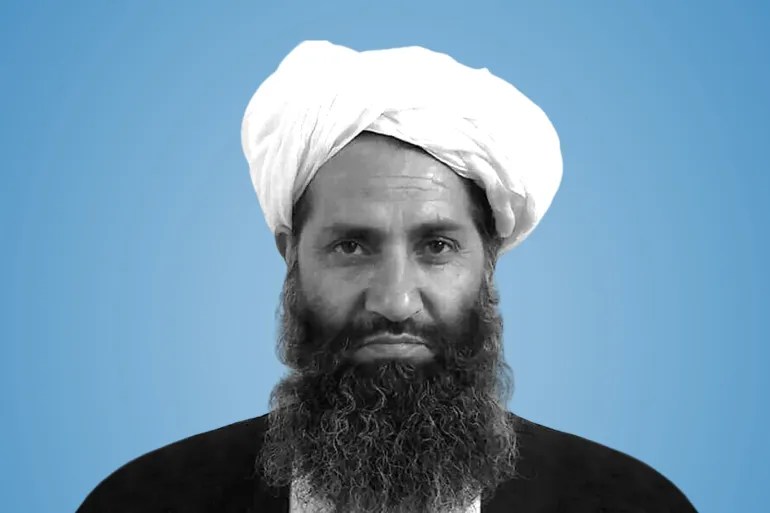
In one of the rarest official admissions within the Taliban administrative structure, the spokesperson for the Balkh governor has confirmed to Argh Times that the appointment and dismissal of the leadership of the Afghanistan Chamber of Commerce and Investment is carried out directly by order of the Taliban leader, Mullah Hibatullah. This statement could reveal new dimensions of Kandahar’s influence over Afghanistan’s economic and financial networks.
Atalullah Zaid, spokesperson for Balkh Governor Yusuf Wafa, confirmed in a WhatsApp conversation with an Argh Times reporter that Sayed Karim Hashmi, the head of the Afghanistan Chamber of Commerce and Investment, was appointed “by order of Sheikh Sahib.”
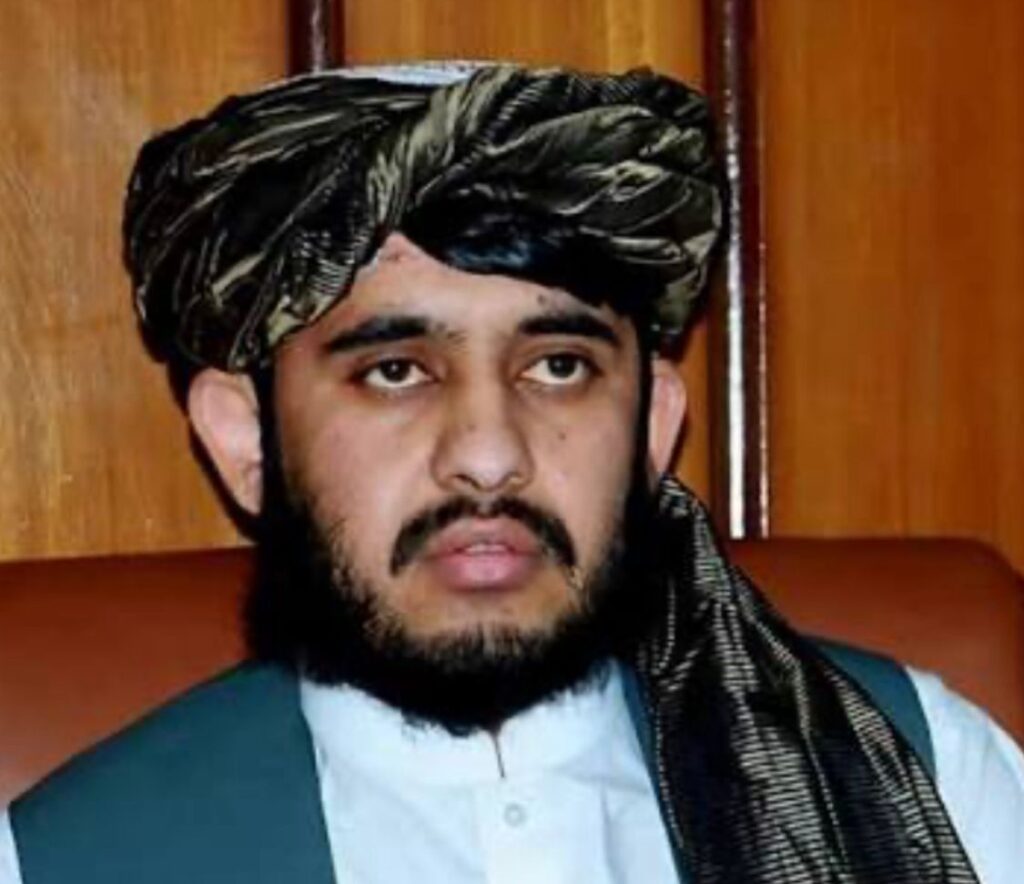
He said during the conversation:
“We only confirm official news… you can say that the head of the Chamber of Commerce was appointed by order of Sheikh Sahib.”
Since the spokesperson has difficulty speaking Persian, the reporter asked whether “Sheikh Sahib” refers to Mullah Hibatullah. He replied: “Yes.”
This is the first time an official from the Taliban administration has explicitly confirmed that one of Afghanistan’s most important economic and financial institutions is directly overseen by the Taliban leader, an institution that, for two decades, functioned at least formally through internal elections and the vote of traders.
The Shadow of Kandahar Over Afghan Trade
Yusuf Wafa, the governor of Balkh, is considered one of the influential figures close to the Kandahar-based leadership circle. In addition to his political position, he is regarded as one of the most powerful governors in Afghanistan due to his family ties with the Taliban leader.
Various sources in recent years have spoken about his extensive role in Afghanistan’s financial, commercial, and transit networks—networks that extend from northern Afghanistan to Central Asia.
A former Afghan National Security official, speaking on condition of anonymity, told Argh Times that Mullah Hibatullah seeks to maintain direct control over financial and commercial networks.
According to this official:
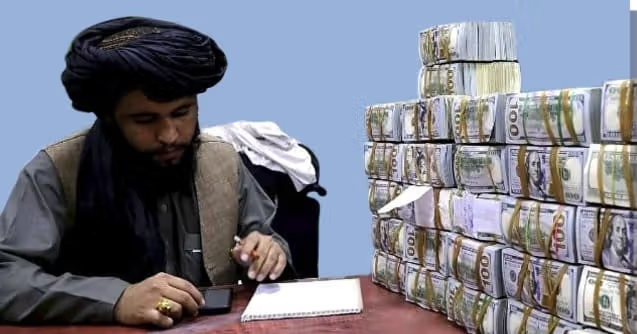
“The Taliban leader has placed most financial networks under his supervision to manage resources and also create cross-border economic structures.”
He further claimed that significant changes are visible in the official rhetoric of the Taliban:
“In many statements, the term ‘Islamic Emirate’ is used more frequently, while the name Afghanistan is effectively sidelined. This shows that the leader does not see himself limited to the geography of Afghanistan.”
Argh Times cannot independently verify these claims.
During the previous government in Afghanistan, the leadership of the Afghanistan Chamber of Commerce and Investment was typically determined through internal elections among traders. Tawakal Ahmadyar was the last elected head of this institution, who was removed last year by the Taliban-led ministry of commerce and cabinet leadership.
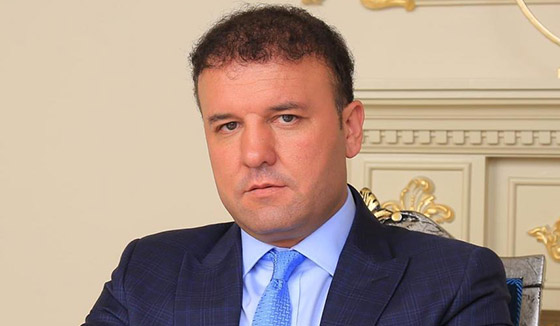
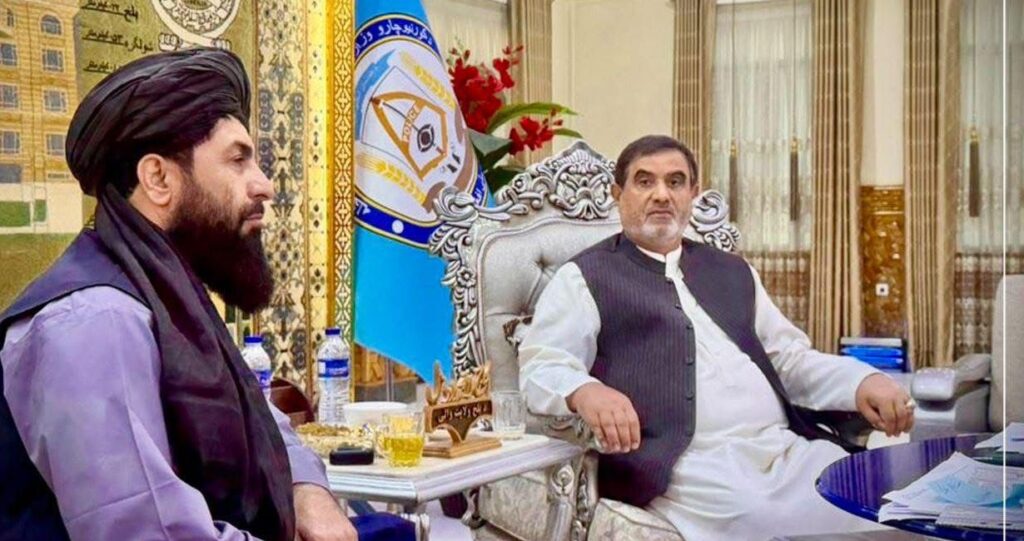
Afterwards, Sayed Karim Hashmi was first appointed as head of the Balkh Chamber of Commerce and, only a few days later, elevated to the position of head of the Afghanistan Chamber of Commerce and Investment. This process has since been accompanied by widespread speculation about the role of the Kandahar-based power circle.
At the time, various sources told Argh Times that Hashmi’s close relationship with Balkh Governor Yusuf Wafa played a decisive role in his rapid promotion.
However, sources close to Sayed Karim Hashmi have consistently denied these claims, insisting that he has “no direct contact with Mullah Hibatullah.”
Nevertheless, the latest remarks by the spokesperson for the Balkh governor now formally confirm this link, at least in terms of decision-making—a development that raises new questions about the independence of Afghanistan’s economic institutions, the concentration of power within the Kandahar circle, and the future of private trade in the country.