
The calculated and dismissive response of Donald Trump, President of the United States, to the letter sent by Aryana sayeed—artist and a powerful voice for Afghan women—has once again placed a fundamental question before regional and global public opinion:
Are human rights a principle for Washington, or merely a tool?
While Trump and his allies have repeatedly encouraged the people of Iran—especially women—to rise up against authoritarian rule, the same president speaks the language of “national interest” and “reduced commitments” when confronted with the most extreme form of gender apartheid in the 21st century: Afghanistan under the Taliban.
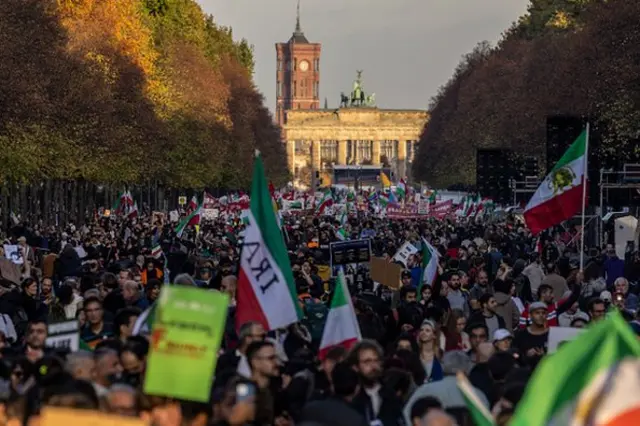
Afghan Women: The Silent Victims of Transactional Politics
Today, Afghan women are not only deprived of education, employment, and social participation; they are being systematically stripped of their very humanity. The Taliban have gone so far as to deny women the right to breathe freely in public spaces.
Yet Trump’s response to Aryana sayeed’s appeal—written on behalf of more than 20 million Afghan women and girls—contains no moral, political, or historical commitment whatsoever.
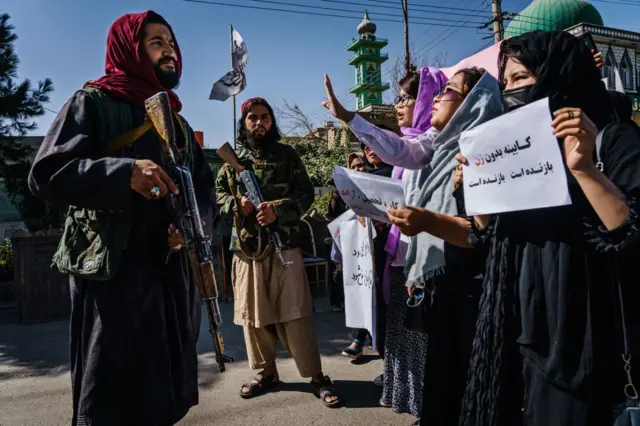
This is despite the fact that Taliban-imposed restrictions are far more extensive and brutal than the repression faced by women in Iran.
Which leads to an unavoidable question:
What Advantage Do the Taliban Have Over Ali Khamenei’s Regime?
If America’s benchmark is women’s rights, where do the Taliban stand in that equation?
If the benchmark is global security, was it not the Taliban who:
• Hosted al-Qaeda?
• Enabled the September 11 attacks?
• Killed thousands of U.S. soldiers and NATO allies over two decades of war?
How can a regime that bans even 10-year-old girls from attending school be considered a lesser threat than Tehran?

U.S. Interests or Historical Amnesia?
In his letter, Trump writes that the United States will no longer spend taxpayers’ money on “costly foreign projects.”
But was the fight against terrorism in Afghanistan a foreign project—or a direct defense of American security?
Ignoring Afghan women in practice means ignoring the roots of extremism.
The Taliban cannot survive without suppressing women, without erasing half of society.
Silence in the face of this crime amounts to political coexistence with ideological terrorism.
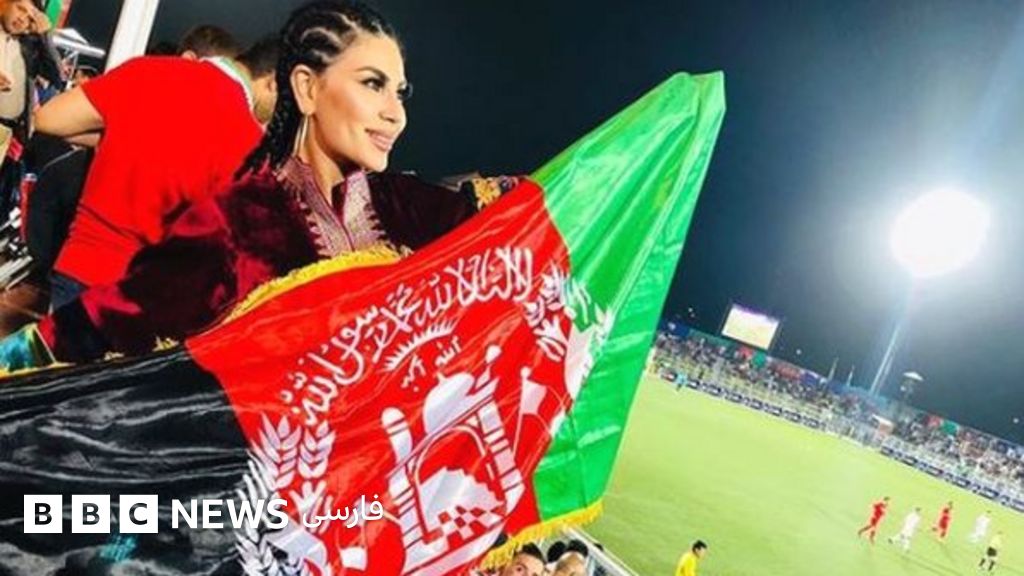
Aryana sayeed: A Voice That Must Not Be Silenced
Aryana sayeed spoke not as a politician, but from the position of human dignity.
Her demands were clear and reasonable:
• Do not recognize the Taliban
• Prevent the handover of Afghanistan’s embassy to the group
• Maintain an independent political representation under the leadership of Afghan women until a legitimate government is formed
These demands are neither radical nor costly;
they are the minimum moral obligations in the face of an open crime against humanity.
A Test of America’s Credibility
If the United States wishes to continue presenting itself as a defender of freedom,
it cannot treat Iranian women as a tool of political pressure
while sacrificing Afghan women on the altar of expediency.
Human rights are either universal—or they are nothing at all.
And history, just as it will judge the Taliban,
will judge—with equal severity—the silence of the world’s great powers.
NUSRAT PARSA