
On the surface, the battle lines appear clear: the Taliban, as victors on the battlefield, seized power in Afghanistan; while the remnants of the republican regime were either exiled or sidelined. But in reality, beneath this apparent divide lies a complex web of covert interactions, protected commerce, and behind-the-scenes deals—between these seemingly opposing groups.
In this report, Arg Times explores five categories of economic and political actors who now play a role in the Taliban’s economic or commercial structure—or at the very least, maintain practical alignment with it, without formally aligning themselves with the regime.
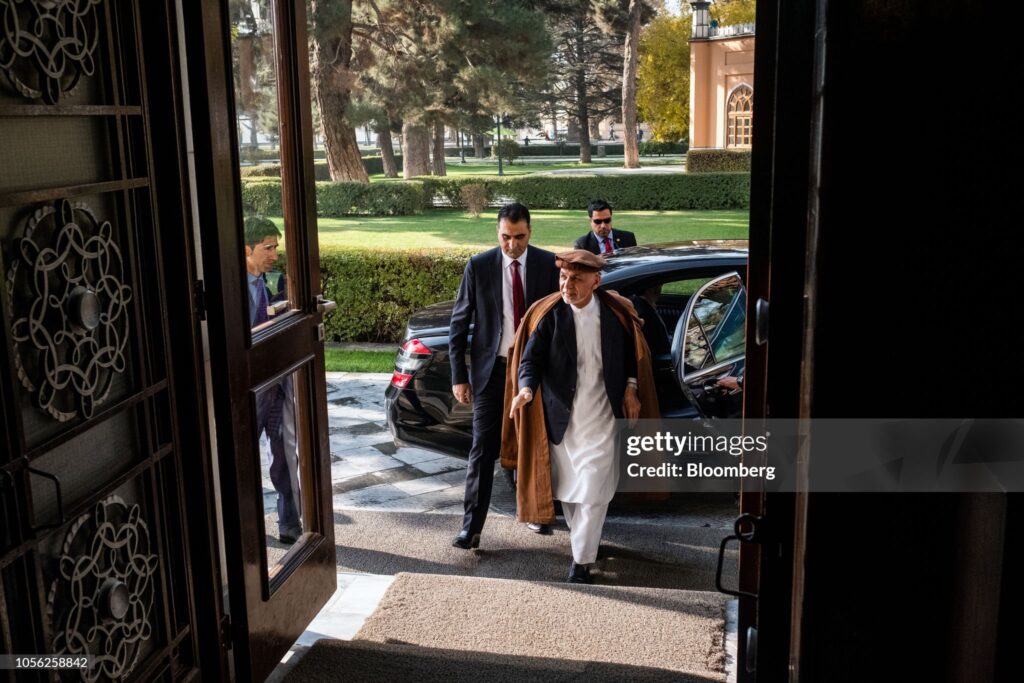
The Five Circles of Engagement with the Taliban
- Semi-Public Collaborators
These are former government officials, businesspeople, or civil society actors who remained in Afghanistan. They maintain a “soft alignment” with the current regime through meetings, projects, or commercial offices in Kabul, all without public political endorsement. - Public Lobbyists
These individuals use foreign media to paint a favorable image of Afghanistan under Taliban rule, while simultaneously protecting their own economic or political interests in the current system. - Behind-the-Scenes Dealers
Primarily professionals involved in large contracts—ranging from fuel imports to construction and logistics. Their priority is doing business with whoever is in power, regardless of past political animosities. - Fifth Columnists (Betrayers from Within)
These actors had covert ties to the Taliban even before the fall of the Republic—providing intel, transferring projects, or enabling financial cover. After the collapse, they seamlessly retained their previous influence through new channels. - Reluctant Extortion Victims
Traditional businesspeople with investments in Afghanistan who, to avoid seizure, harassment, or abuse, have been forced into silence, profit-sharing, or reluctant cooperation. Most harbor no loyalty to either the Taliban or the former Republic but choose survival over resistance in order to protect their livelihoods.
Censorship with Many Faces: From SLAPP to Torture
Amid this complex landscape, independent media and investigative journalists have become victims of a silent war waged by both sides—Taliban authorities and remnants of the old political-economic order.
Outside Afghanistan, SLAPPs (Strategic Lawsuits Against Public Participation) are used to silence dissent—legal threats designed not to win in court, but to intimidate and exhaust journalists or media outlets, suppressing exposure and discouraging scrutiny.
Inside Afghanistan, the Taliban employ far more brutal methods: arbitrary arrests, threats, torture, hostage-taking of journalists’ family members, bans on women’s employment, and absolute media censorship.
The Legacy of Lucrative Contracts and the Fall of the Republic
It is said that some of these current players were once involved in lucrative contracts with the U.S. military—fuel supply, logistical projects, multimillion-dollar tenders—and have now managed to preserve or transfer their interests under Taliban rule. This financial entanglement may have been a key factor in the internal unraveling of the Republic—not only on the battlefield, but through endemic corruption.
Critical Questions We Must Ask Ourselves
• Did elements of the political or economic elite knowingly strike deals with the Taliban?
• Why did certain economic structures fall so easily into Taliban hands without resistance?
• Which former actors are now operating under new guises but pursuing the same old interests?
• How can SLAPPs and traditional repression—though used in vastly different contexts—serve the same purpose: the silencing of truth?
Final Message from Arg Times
This report marks the beginning of our effort to decode the hidden networks and financial alliances tied to the Taliban—not by naming individuals, but by deeply analyzing the structures.
In future reports, we commit to unveiling each of the five groups—one by one, with evidence and testimony.
Exposure is only effective when rooted in depth and clarity—not noise.
We seek the truth, not fame. But we will never legitimize hidden corruption through silence.