Denial of Amrullah Saleh’s U.S. Visa Request and His Mysterious Ties with Individuals and Countries
However, Saleh has so far failed to obtain a visa. Reports indicate that his visa application had previously been denied. U.S. Secretary of State Marco Rubio, in response to a question from a member of the House Foreign Affairs Committee regarding Saleh’s visa, stated that the matter would only be considered if it aligned with U.S. national interests and if the purpose of his visit was clearly explained to the State Department.
Islamabad Meeting: The Dual Role of Hanif Atmar Between the Taliban and Their Opponents
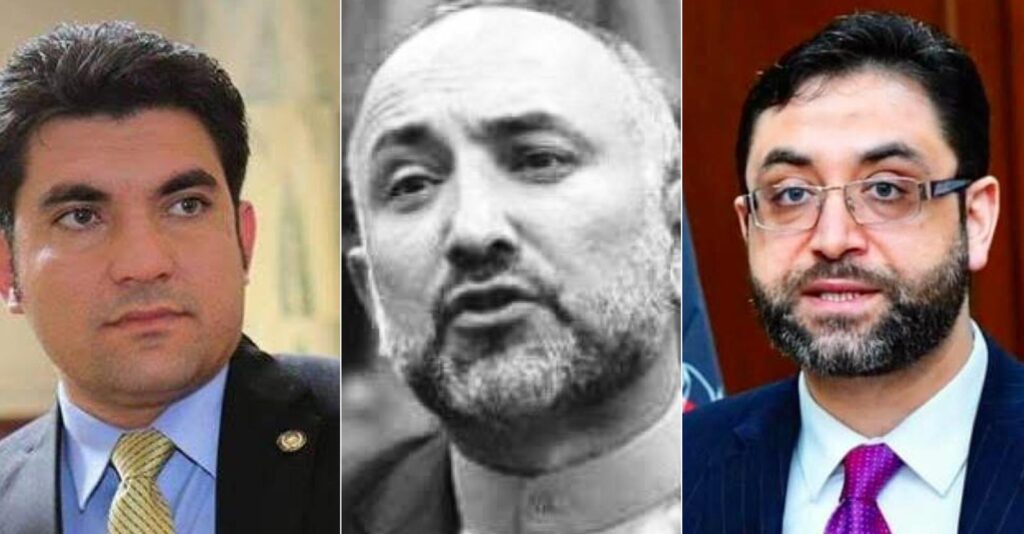
Next week, a meeting is scheduled to take place in Pakistan, usually attended by political opponents of the Taliban. Among nearly forty Afghan figures expected to participate, the political movement Peace and Justice, led by Hanif Atmar, the former foreign minister and the last senior official of the Republic regime, is also listed. It is possible that Atmar himself or his representative will attend this meeting.
“High-Risk” Partnership with Kamal Nabizada; Kefayat Group Ends Partnership with Nabizada
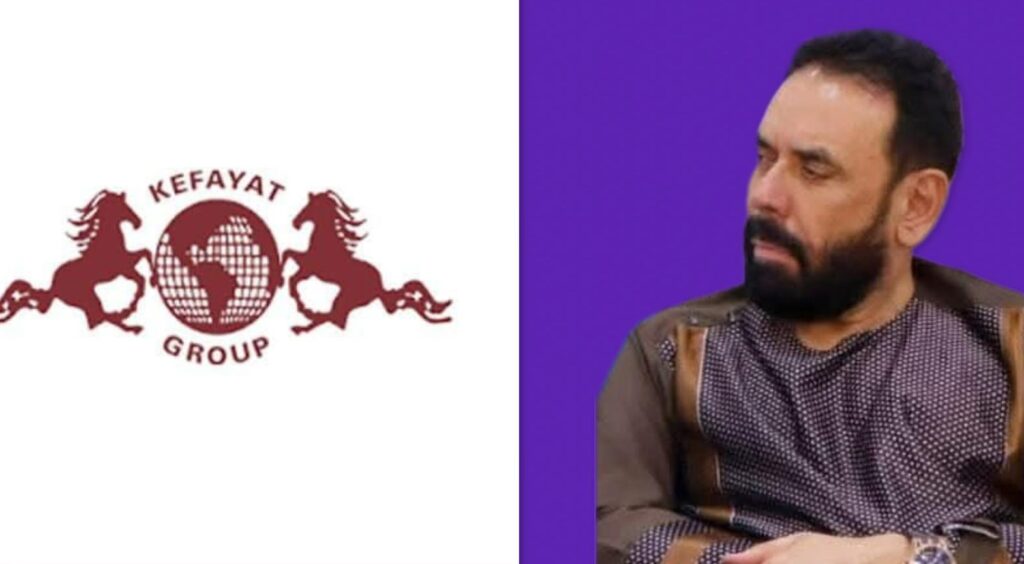
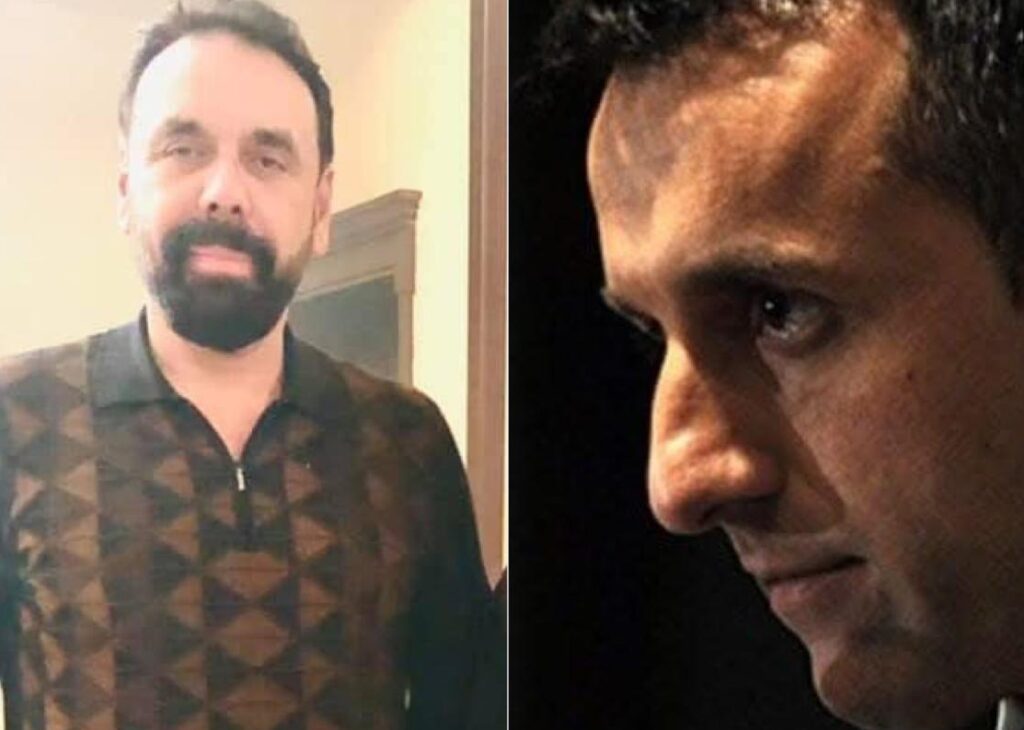
A source close to the Kefayat family told Arg Times that the partnership with Kamal Nabizada is being terminated due to “the risks stemming from his activities” and the consequences of U.S. sanctions. The source added that the previous partnership with Nabizada had already resulted in Zabihullah Wahab, a member of their family, being placed on the U.S. Department of Treasury’s sanctions list (OFAC).
Noor & Ghaznfar’s Business: Atta Mohammad Noor’s Footprint in Taliban Airport Contracts?
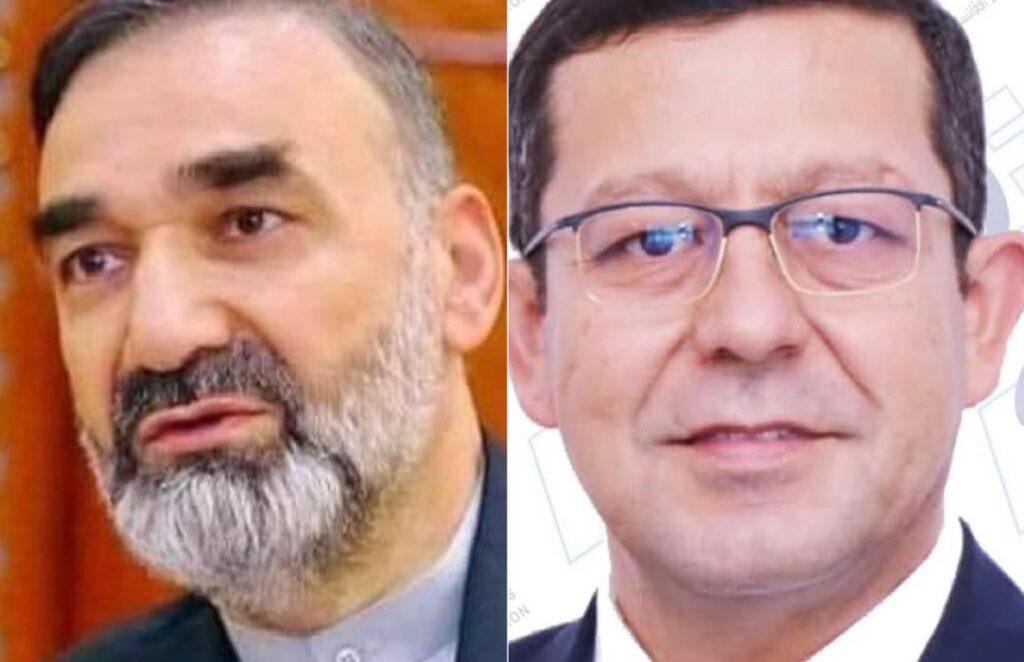
Reliable sources in Kabul have revealed to Arg Times that the ground services contracts for Mazar-i-Sharif and Khost airports have quietly been awarded to a company called Balkh Service—a firm established years ago during the Republic era through a partnership between Ismail Ghaznfar, head of Ghaznfar Group, and Faheem, one of the most trusted and long-time aides of Atta Mohammad Noor.
Former Republic Official and Billion-Afghani Debtor Refers “Arg Times” Journalist to Taliban Courts
Ghaznfar Group, one of the largest private and multinational companies operating in Afghanistan, with more than $100 million in overdue debt to the state, has once again come under the spotlight of media and public opinion. In 2007, the company received $65 million in fuel aid from the Government of Japan to stabilize fuel prices in the market. This amount was to be returned to the Ministry of Finance by 2008, but to date, the debt has not been repaid.
Secret Travels of Porn Stars to Afghanistan Amid Taliban’s Strict Laws: Are Taliban Officials Unaware or Complicit?

A travel company that facilitates trips for foreign tourists to Afghanistan has confirmed in an interview with Afghanistan Ayenda (Future Afghanistan) media outlet that it has organized visits for three female adult film actresses from various countries to Afghanistan.
UNAMA: Arrest of Women over Taliban’s Mandatory Dress Code Reflects Alarming Trend of Fear, Repression, and Systematic Exclusion of Afghan Women
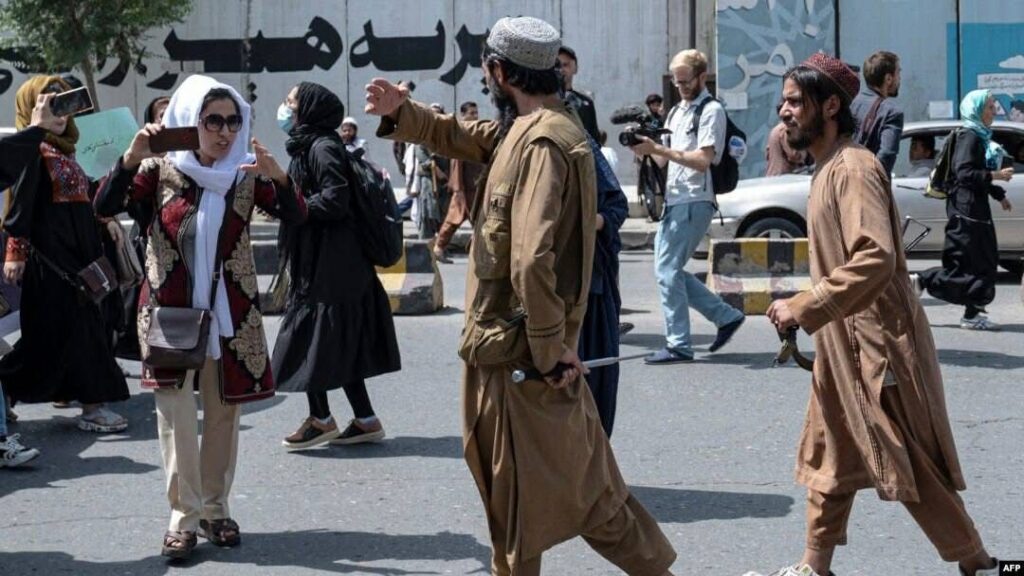
The United Nations Assistance Mission in Afghanistan (UNAMA) has expressed grave concern over the recent arrest of dozens of women and girls in Kabul by the Taliban’s morality police for allegedly violating the group’s strict dress code. UNAMA warned that such actions contribute to the growing isolation of women and girls, erode public trust, and intensify a climate of fear across the country.
Taliban Higher Education Minister Stresses Educational Reforms and Enforcement of Islamic Law in Universities
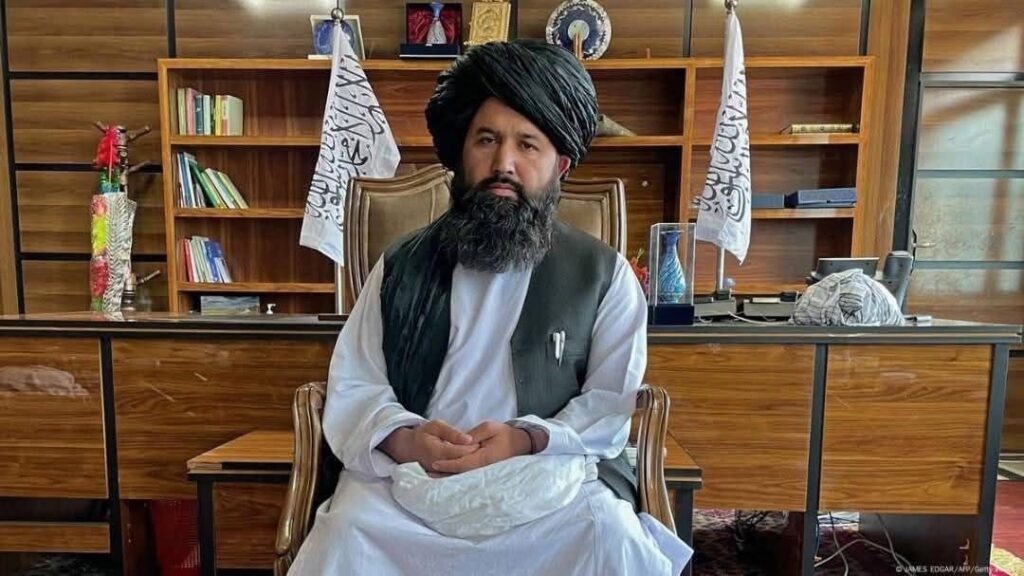
Neda Mohammad Nadeem, acting Minister of Higher Education under the Taliban administration, has emphasized the need for strengthening the education system, reforming university structures, and implementing the law of Amr bil Ma’ruf wa Nahi an al-Munkar (Promotion of Virtue and Prevention of Vice) in higher education institutions.
Ghaznfar Group: The Silent Partner in the Afghan Army’s Logistical Collapse?
Four years after the fall of the Islamic Republic led by President Ashraf Ghani, examining the root causes of the collapse has become more urgent than ever. The downfall of the republic was not solely the result of military defeat on the battlefield—it stemmed from deeply rooted corruption, poor leadership, political collusion, and unaccountable contracting practices. One key player in this hidden narrative is Ghaznfar Group, a long-established business conglomerate, widely perceived as a symbol of unchecked influence and privilege.