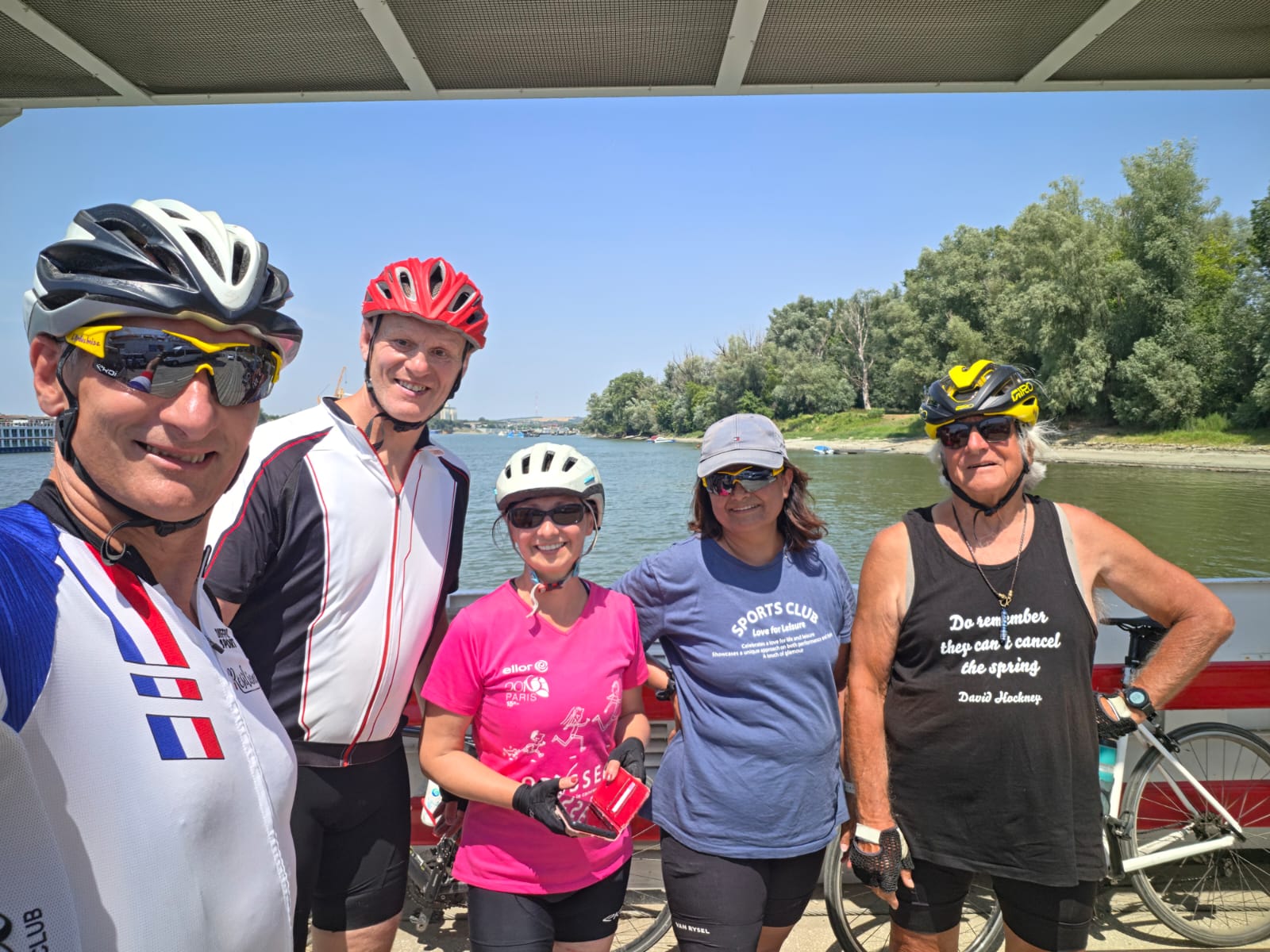
Every year, thousands of refugees cross the sea from the Turkish coast to the Greek island of Lesbos in the hope of reaching Europe. This time, however, a group of activists, academics, athletes, and refugees has chosen to travel the same route in reverse—not to migrate, but to draw public attention to the realities faced by people seeking asylum and to tell their stories from a human perspective.
The initiative, called Ride the Borders, began in Aigle, Switzerland, home to the headquarters of the Union Cycliste Internationale (UCI), and will end on the island of Lesbos. At the conclusion of the journey, the ten bicycles used by the participants will be donated to an organization that supports refugees through sport.
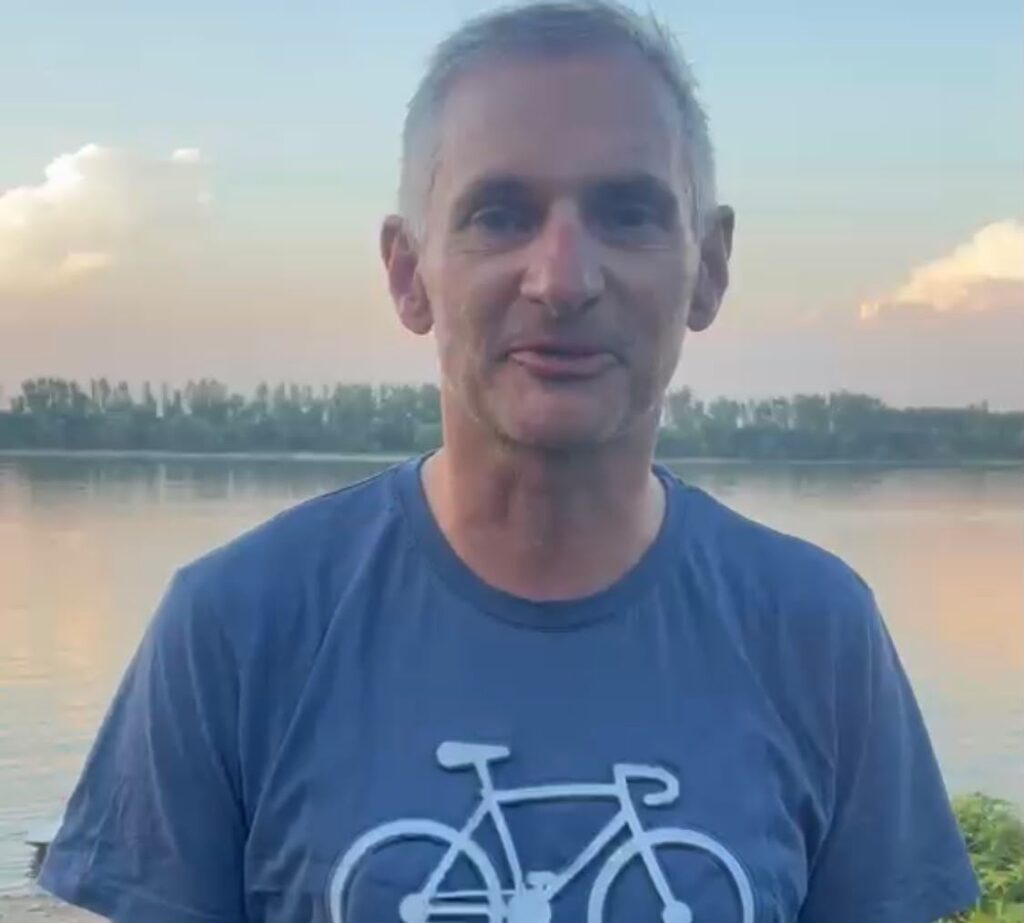
Thierry Cominal, a professor at the University of Lille and coordinator for refugee and exiled students, explains that the project was originally conceived by Camille Doré, a French lawyer and refugee rights advocate. Her idea was to cycle from Calais to Lesbos—the reverse of the journey taken by many refugees—to encourage Europeans to reflect on the hardships asylum seekers endure. Although Doré had to withdraw from the project for personal reasons, Thierry Cominal, his father Patrick Cominal, Nilofar Nuri, and several other participants decided to carry the initiative forward.
Cominal says he wanted the journey to be more than a symbolic cycling expedition. He therefore contacted David Lappartient, President of the UCI, who agreed to provide ten bicycles for the project. Rather than returning the bicycles after the trip, the group decided they would be donated to refugees upon reaching their destination.
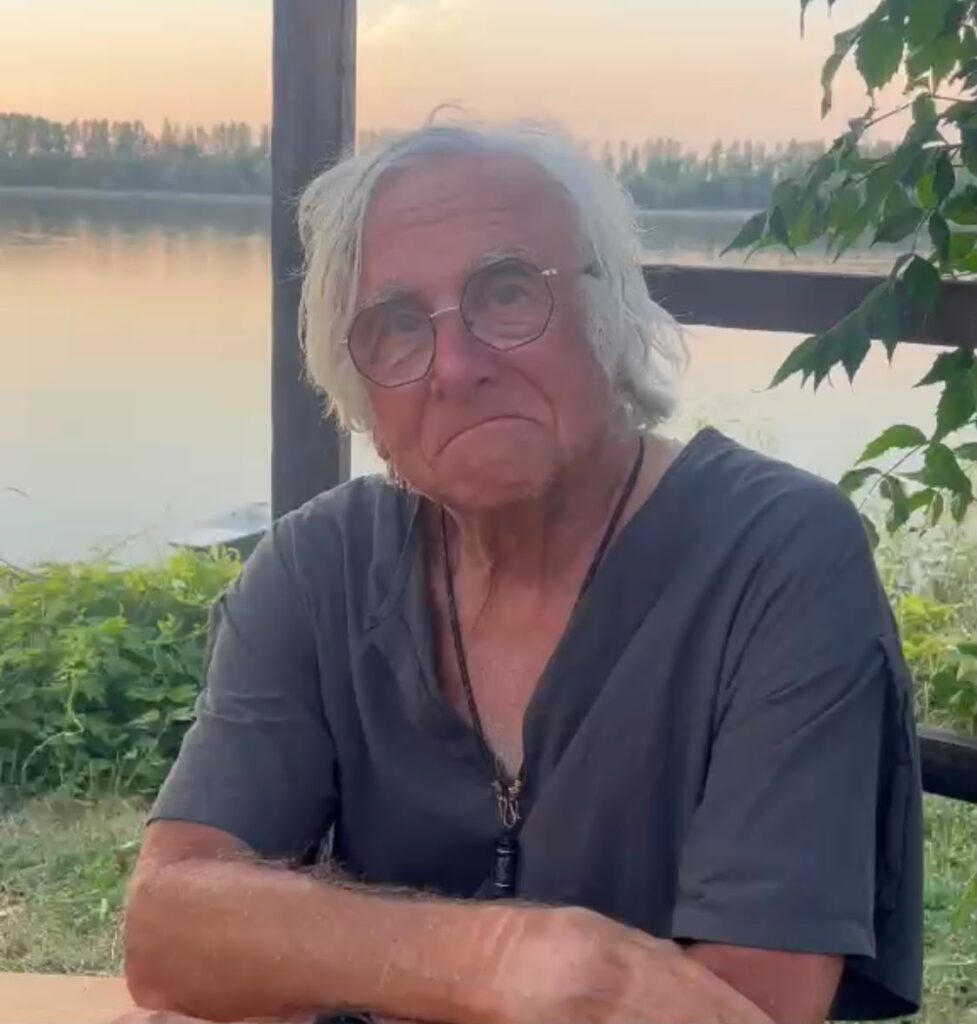
A key figure behind this initiative is Masomah Ali Zada, Afghanistan’s first female cyclist to compete at the Olympic Games. Thierry Cominal, who previously coached her, explains that the relationship he built through her sporting career enabled him to secure the support of UCI President David Lappartient. In addition, Masomah Ali Zada’s husband, himself a former refugee in Greece, introduced the team to Yoga and Sport for Refugees, an organization working in Lesbos. The organization uses sports activities to engage refugees, teaches them Greek, and helps them integrate into Greek society. The bicycles will be donated to this organization.
Among the participants is Nilofar Nuri, an Afghan-born women’s rights activist. According to Patrick Cominal, Nuri has long been involved in supporting Afghan women and girls, and her participation strengthens the connection between the struggle for women’s rights in Afghanistan and the broader cause of protecting refugees.
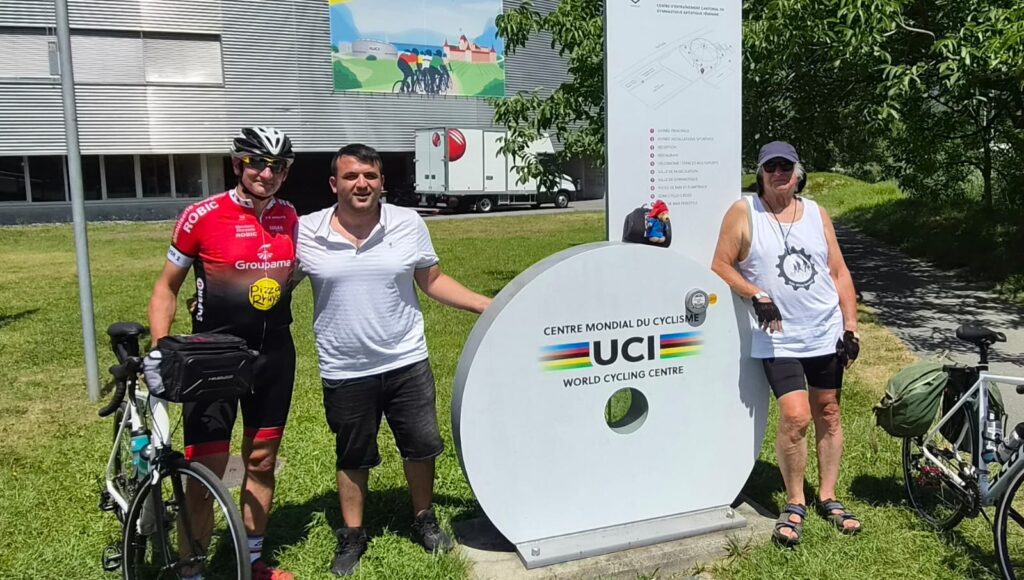
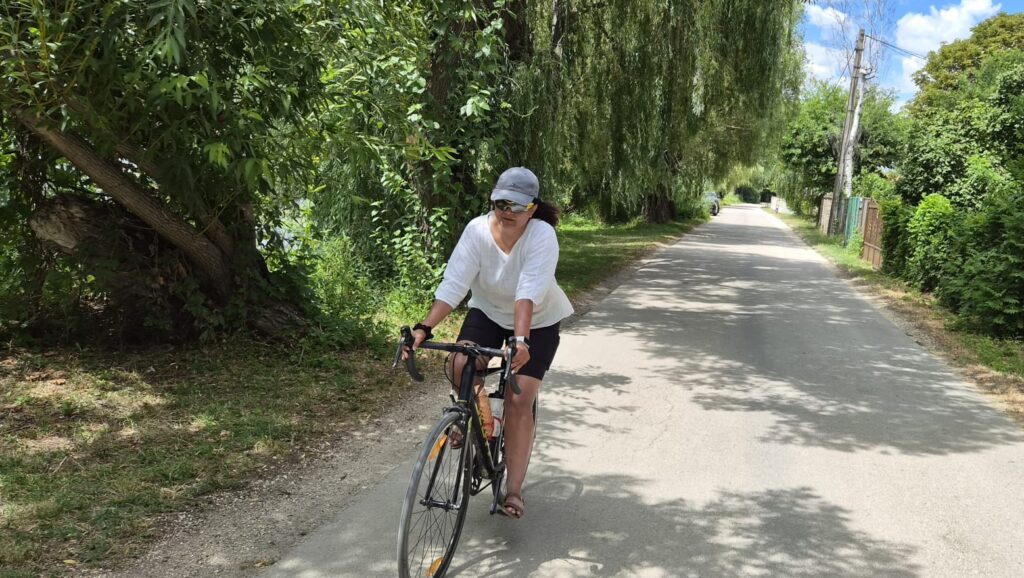
The project has also brought together people from different backgrounds. Aryan, another Afghan refugee, was expected to join the journey but was unable to participate due to personal circumstances. Qais, an Afghan refugee, cycled alongside the group for part of the route. Other participants, including French journalist Bernard Casas and Thierry Cominal’s friends Olivier and Corinne, joined the caravan for different stages of the journey.
Patrick Cominal says the purpose of the expedition goes far beyond delivering bicycles to Lesbos. Its real objective is to tell the stories of people who are too often reduced to labels such as “migrant” or “refugee.”
“We want to speak about individual human destinies, not administrative categories or expressions like ‘waves of migration,’” he says. “What Europe is facing today is less a migration crisis than a crisis of values.”
Thierry Cominal believes that fear of refugees often stems from unfamiliarity. Most people know refugees only through headlines and statistics, he says, but meeting them changes that perception.
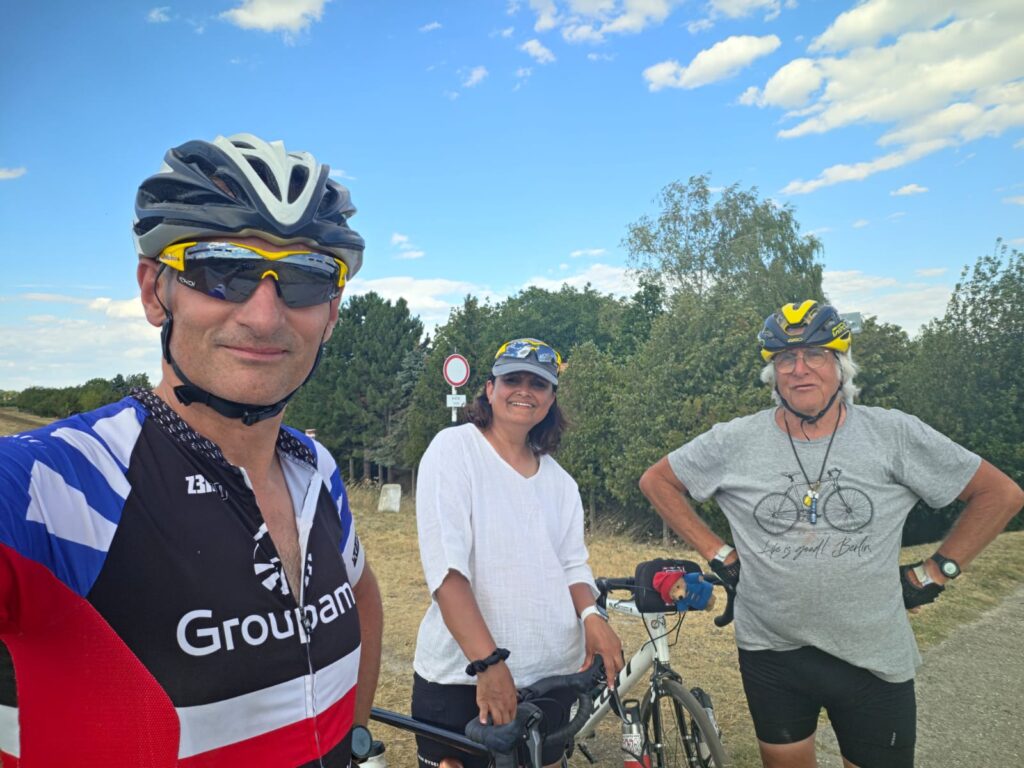
“When you speak with refugees,” he explains, “you no longer see a file or a number. You see a human being—with a family, dreams, talents, and hopes for the future.”
As the Ride the Borders team continues its journey across Europe toward Greece, its members hope their message will travel even farther than they do. Though cycling against the direction of refugee movements, they believe they are moving toward a single goal: reminding Europe that behind every migration story is a human life deserving of dignity, understanding, and solidarity.