
More than five years after the collapse of Afghanistan’s republican government, key questions remain unanswered about how telecommunications surveillance systems were used during the Republic and what became of those systems after the Taliban returned to power.
Several informed sources with previous experience in Afghanistan’s security institutions told Arg Times that during the years of the Republic, advanced communications interception systems—provided to Afghanistan to combat terrorism, organized crime, and threats to national security—were, in some instances, also used to monitor the telephone conversations of political figures.
One of the sources alleged that during the final years of Hamid Karzai’s administration and the early years of Ashraf Ghani’s presidency, the communications of several prominent politicians, including Ahmad Zia Massoud, Abdul Latif Pedram, Atta Mohammad Noor, Zahir Qadir, Abdul Sattar Khawasi, Amanullah Guzar, and Din Mohammad Jurat, were intercepted.
According to the source, in some cases, whenever senior officials of the National Directorate of Security (NDS), including Rahmatullah Nabil, became involved in heated verbal disputes with politicians—including members of parliament—the surveillance team was instructed to intercept those politicians’ communications. The source further claimed that such directives were particularly common when ministers or senior security officials were being questioned or summoned by parliament.
Arg Times has not been able to independently verify these allegations through official documents or independent sources.
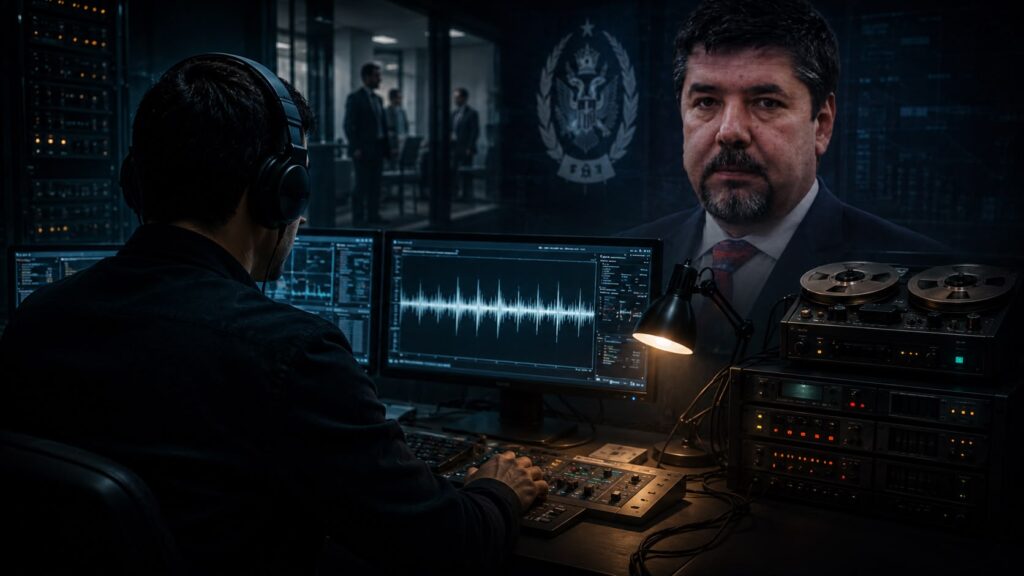
According to another source, surveillance operators were at times assigned to monitor the telephone communications of political figures. The source claimed that such orders were occasionally issued following periods of heightened political tension or disagreements between senior security officials and prominent political leaders.
Another source, who identified himself as a former employee of the surveillance department, claimed—without providing independently verifiable details—that most of the equipment used by the unit had been supplied with the cooperation of Western countries for counterterrorism operations and the protection of Afghanistan’s national security.
The source emphasized that, in his view, the purpose of establishing these surveillance systems was to counter security threats, not to intervene in domestic political rivalries.
The Fate of the Surveillance Systems After the Fall of the Republic
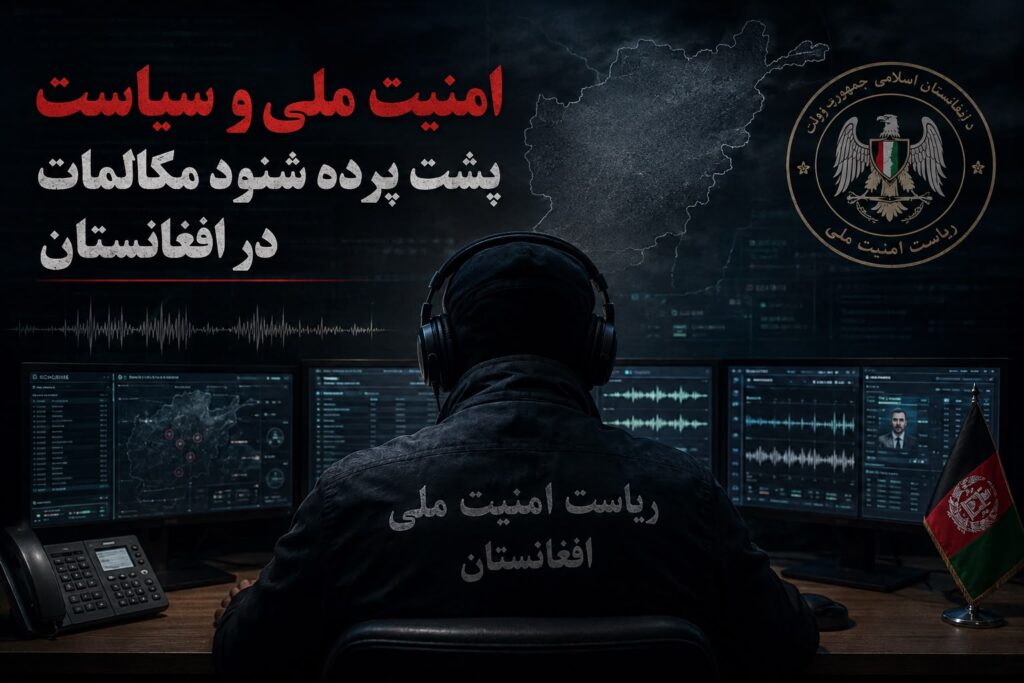
One of the most significant questions that remains unanswered concerns the fate of these surveillance systems following the collapse of the Republic on 15 August 2021.
It remains unclear which portions of the equipment were removed from Afghanistan, which were destroyed, and whether any of the systems ultimately came under the control of the country’s current authorities.
According to the sources, most of these surveillance systems had been provided to Afghanistan’s National Directorate of Security by Western governments, particularly the United Kingdom.
If such systems remain operational, cybersecurity experts generally warn that any use of communications interception technologies should take place within a legal framework that includes judicial oversight and effective accountability mechanisms. Public information regarding such safeguards in present-day Afghanistan, however, remains extremely limited.
Concerns Beyond Afghanistan
Some regional security analysts believe that if sophisticated surveillance systems remain operational in Afghanistan, the manner in which they are used could have implications extending beyond the country’s domestic affairs and potentially affect relations with neighboring states.
To date, however, no publicly available and independently verifiable evidence has emerged regarding the current status of these surveillance systems.
Right of Reply
Arg Times contacted Rahmatullah Nabil, the former Director General of Afghanistan’s National Directorate of Security, via WhatsApp and submitted questions seeking his response. However, no reply had been received by the time this report was published.
Arg Times remains prepared to publish the responses or comments of any former or current officials connected to this matter in full and without alteration should they choose to respond.